
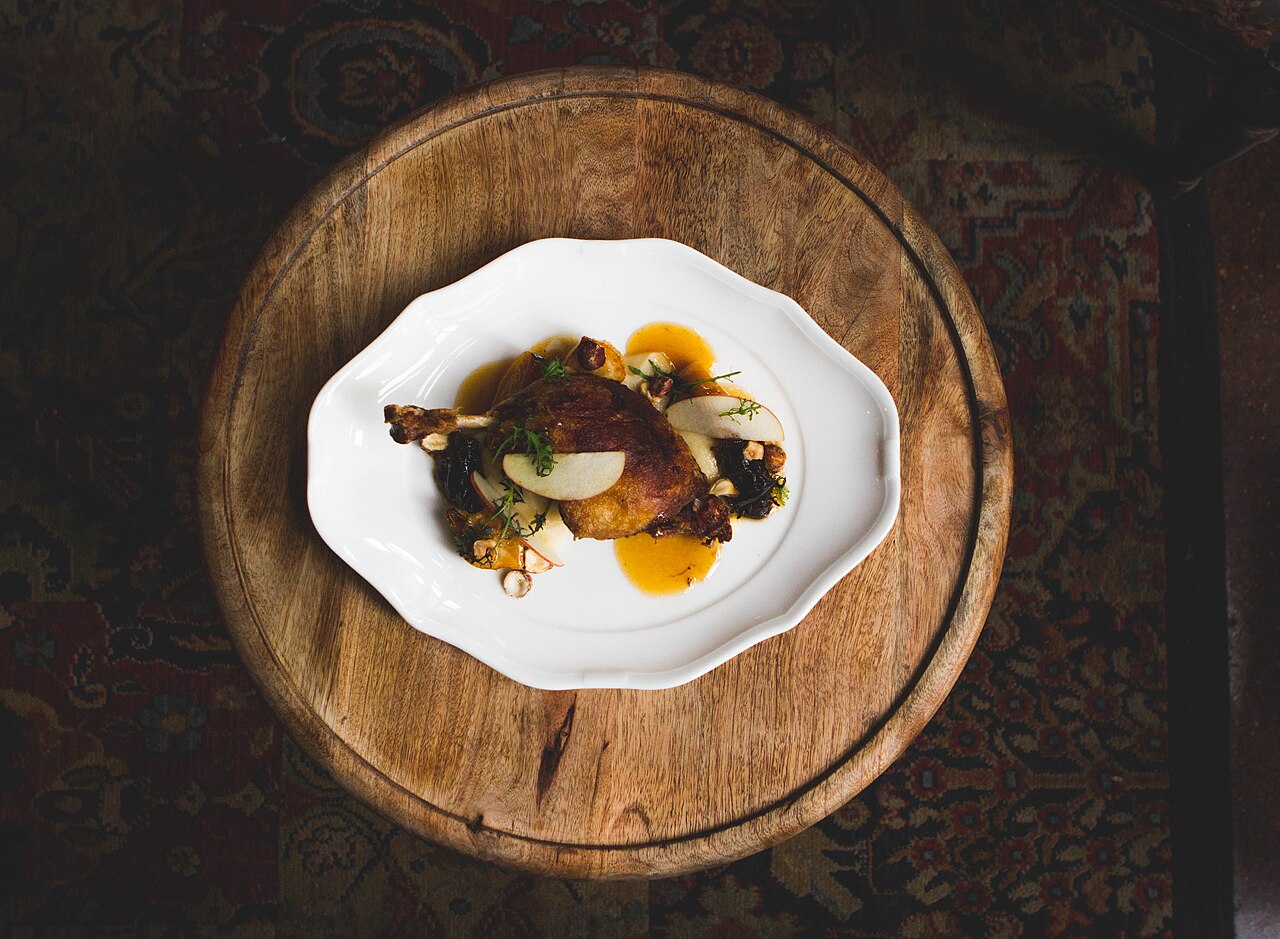
A first slow cooker can put dinner on the table with minutes of morning prep. Here is what size and features to pick, where to set it up, and the USDA rules that keep low-and-slow meals safe.
What to remember
- A slow cooker built for safety heats gently enough for hours of unattended use while moving food quickly through the 40°F to 140°F range where bacteria multiply fast.
- A 5- to 6-quart model fits a household of four and produces four to eight servings per cook; compact units suit one or two people or side dishes.
- Thaw meat completely before slow cooking unless it is already fully cooked, keep the crock between half and three-quarters full, and add dairy near the end.
- Look for a removable, dishwasher-safe insert, a programmable timer that switches to warm on its own, and a locking lid if you carry food to gatherings.
- Lifting the lid mid-cook adds 15 to 20 minutes to the total time, so leave it in place while the food cooks.
A slow cooker turns a few minutes of morning prep into a hot dinner waiting when you get home. For busy parents, that hands-off style is the main appeal, but first-time buyers often wonder what size to buy, which features matter and how to keep food safe. This starter guide walks through all three, including the USDA rules that make low-and-slow cooking safe for family meals.
What a Slow Cooker Does and How It Works
The appliance itself is simple. A glazed ceramic container, called a crock or insert, rests inside a metal housing, and a coiled electric heater built into that base warms the food from the outside. A clear, dome-shaped lid sits snugly on top. Steam condenses on its underside and drips back into the crock, sealing in heat and flavor.
The safety story rests on temperature. The USDA describes a safe slow cooker as one that heats gently enough for hours of unattended use while still moving food quickly through the range where bacteria multiply fastest. That range, called the danger zone, runs from above 40°F to below 140°F. Food that sits in it too long can cause foodborne illness.
Naming adds confusion too: every crock pot is a slow cooker, but not every slow cooker has an insert that lifts out, especially among small models.
Choosing the Right Size
Sizes run from about 2 to 8 quarts. For a household of four, a 5- to 6-quart model is the sweet spot, producing four to eight servings in one cook. A compact unit suits one or two people or side dishes, while a larger model offers more room for family meals, batch cooking and entertaining.
Shape matters too. An oval crock fits long cuts such as roasts, and a round one handles soups, stews and sauces.
Before you buy, compare the footprint to your counter and storage space, and allow the clearance the manual calls for.
Features Worth Paying For
Start with the insert. A removable one lifts out for serving and cleaning, and if easy cleanup is a priority, look for an insert the manufacturer labels dishwasher-safe. Ceramic and porcelain stoneware spreads heat evenly and usually costs less. Stainless steel inserts are light to lift and quick to wipe down. Cast-aluminum versions are often nonstick and can brown meat right on the stovetop.
Beyond the insert, a few features earn their keep:
- A timer you can program, paired with a mode that switches to warm on its own, keeps dinner hot if you run late.
- A locking lid and carry handles help if you haul food to potlucks or family gatherings.
- A temperature probe measures the actual internal temperature of the meat instead of guessing by the clock.
Most meals need nothing more than low, high and warm, and units loaded with extra cooking modes cost more. A snug clear glass lid lets you check progress without lifting it, and each peek adds 15 to 20 minutes of cooking time.
Customer reviews can help you shortlist models; our guide to spotting fake reviews before you buy explains what to look for.
USDA Food Safety Rules to Follow
Low and slow cooking stays safe when a few rules are followed, and most come from USDA guidance:
- Thaw meat all the way through first. The one exception is meat that is already fully cooked, such as pre-made meatballs.
- Keep the crock at least half full so heat spreads through the food, and keep it under three-quarters so nothing bubbles over the edge.
- Starting with warm ingredients, such as broth heated on the stove, helps the cooker reach a safe temperature sooner.
- Stir in milk, cream or cheese in the last stretch of cooking, because dairy can separate if it cooks too long.
- Skip the prep if anyone handling the food is ill.
Good to know: Food that sits too long in the danger zone, from above 40°F to below 140°F, can cause foodborne illness because bacteria multiply very quickly at those temperatures.
If you want faster meals on busy nights, a pressure cooker works on the opposite principle, cooking under pressure in minutes instead of hours. Our guide to choosing a safer pressure cooker covers what to compare.
First Meals to Try and Mistakes to Skip
Forgiving recipes make the best first meals. Chili, beef stew, pot roast, shredded chicken and pulled pork all tolerate long cooking, and dips or baked potatoes round out the list.
First-timers tend to make the same handful of mistakes:
- Filling past three-quarters or under half, which leads to uneven cooking or boil-overs.
- Lifting the lid to peek, which stretches the cooking time.
- Adding milk, cream or cheese at the start, which can cause separation.
- Dropping in raw meat that was never thawed.
Browning before cooking is optional. Recipes suggest it because the Maillard reaction, the chemical change that happens when food meets hot, dry heat, builds deeper flavor. Skip that step on a busy morning and the meal will still come out well.
Cleaning and Caring for Your Cooker
Let the insert and lid cool before washing, then lift the insert out. Many removable crocks and tempered glass lids are labeled dishwasher-safe, but check the label on your model. Glass lids rinse clean and do not trap smells, and the outer housing wipes down with a damp cloth.
Slow-cooker dinners can leave a stack of prep bowls behind. If you run the dishwasher often to keep up, see what it costs to run a dishwasher.
Your first step: if you feed a family of four, shortlist a 5- to 6-quart model with a removable, dishwasher-safe insert, then cook one batch of chili on low and see how the fill and timing rules feel in your kitchen.
Parents also ask
Is it safe to leave a slow cooker on while I am at work?
Yes. Food safety guidance describes a safe slow cooker as one that cooks slowly enough for hours of unattended use while still moving food quickly out of the danger zone. Follow the thawing and fill rules so the food heats through promptly.
What size slow cooker should a family of four buy?
A 5- to 6-quart model is a good fit and makes four to eight servings per cook. Compact units suit one or two people or side dishes.
Do I have to brown meat before putting it in the slow cooker?
No. Browning deepens flavor through the Maillard reaction, but skipping it saves time and the meal will still come out well.
Can I put frozen meat straight into the slow cooker?
USDA guidance says to thaw meat fully first unless the item is already fully cooked, such as pre-made meatballs, so food moves through the danger zone quickly.
This guide is general information for U.S. shoppers, not legal advice. Safety rules and store policies change, so follow the product’s instructions and labels and check official sources such as CPSC.gov, NHTSA.gov and FTC.gov.