
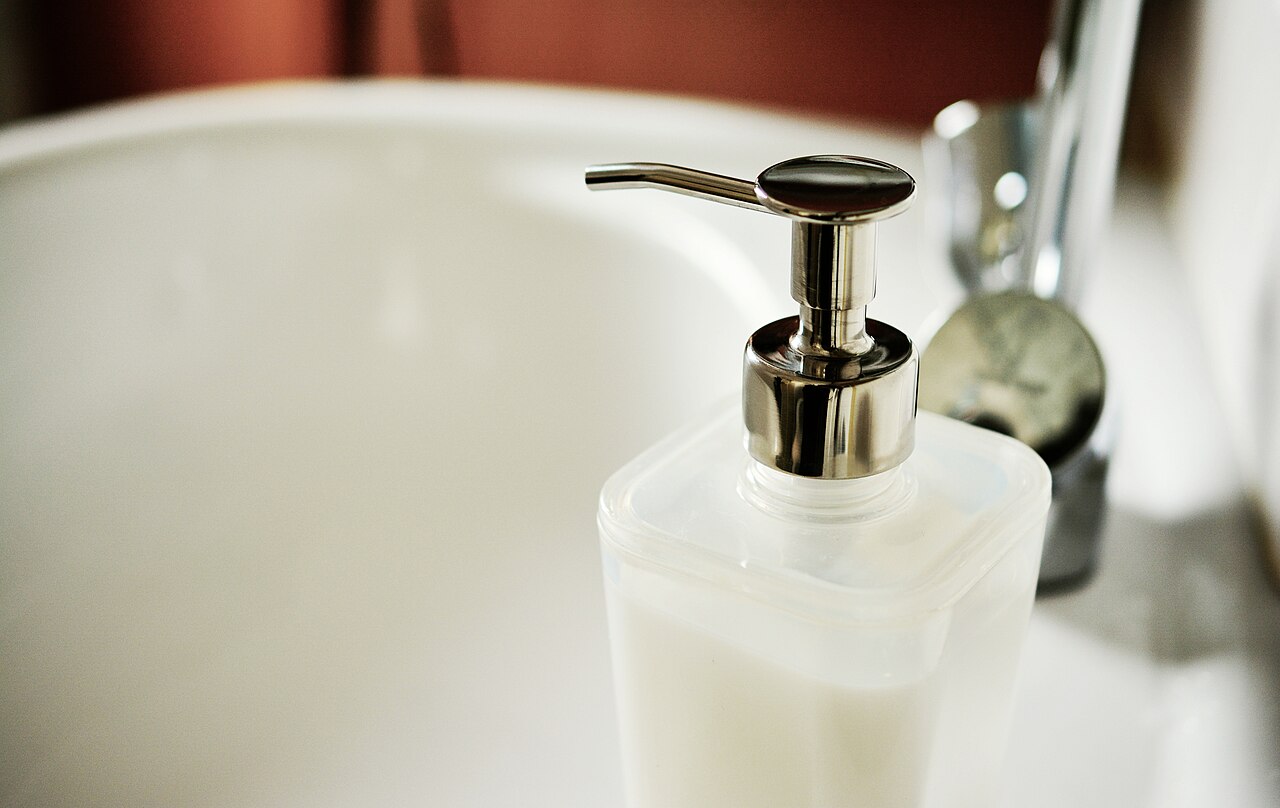
Both clean hands, but not the same way. Compare what soap and water do versus 60% alcohol sanitizer, and see where each one fits your family’s day.
What to remember
- Washing with soap and water removes all types of germs and chemicals, and it is the best choice whenever hands are visibly dirty or greasy.
- Use a hand sanitizer with at least 60% alcohol when no sink is available, rubbing enough gel to cover both hands until they are dry.
- Sanitizer does not handle norovirus, Cryptosporidium, C. difficile, pesticides or heavy metals like lead as well as soap and water.
- Swallowing sanitizer can cause alcohol poisoning, so store it up high and supervise young children every time they use it.
- Check the Drug Facts label for ethyl alcohol at 60% or higher; the CDC does not recommend alcohol-free sanitizers.
Your family’s hands touch grocery carts, playground railings, shared tablets and a dozen other germ hot spots every day. Washing with soap and water and using alcohol-based hand sanitizer are both good habits, but they are not interchangeable. Here is a side-by-side look at what each one does, where each one falls short, and how to keep sanitizer safe in a house with young children.
What Soap and Water Actually Do
Soap does more than smell nice. When you work it into a lather, soap molecules form tiny pockets that trap germs, dirt and harmful chemicals on your skin. Scrubbing for 20 seconds physically destroys and lifts them off, and rinsing sends everything down the drain. That is why the CDC calls soap and water the best way to get rid of germs in most situations.
Wet your hands with clean water before applying soap, since wet hands lather better than dry ones. Turn off the faucet while you scrub to save water, then turn it back on to rinse. Dry your hands completely afterward, with a towel or a hand dryer, because germs spread more easily from wet hands.
Two times are not negotiable. Always wash after using the toilet and after changing a diaper. Feces carries germs such as Salmonella, E. coli O157 and norovirus, and a single gram of human feces, roughly the heft of a paper clip, can carry a trillion germs.
When Hand Sanitizer Is the Better Choice
Sanitizer earns its place in the diaper bag, the car and the backpack. When soap and water are not available, the CDC recommends using one that contains at least 60% alcohol. Studies have found that sanitizers with 60% to 95% alcohol kill germs more effectively than weaker formulas or alcohol-free products, and at that strength they work quickly on hands that are not visibly dirty or greasy.
Technique matters more than most people realize. Pour on enough gel to cover every surface of both hands, and rub it in for about 30 seconds until your hands feel completely dry. Do not wipe or rinse it off early, because the gel needs that time to work, and studies show many people use less product than it takes to do the job.
Soap and Water vs. Hand Sanitizer Side by Side
Neither option wins everywhere. Soap and water suit everyday home use and anyone dealing with dirt, food or diapers. Sanitizer suits busy families on the go, and it is easier on skin than frequent washing, which matters when you are cleaning your hands many times a day. Here is how they compare.
| Soap and water | Hand sanitizer (60% alcohol or more) | |
|---|---|---|
| What it removes | All types of germs, chemicals and dirt | Reduces many microbes quickly, but not all of them |
| Dirty or greasy hands | Works well | Works poorly; wash instead |
| Norovirus and C. difficile | More effective | Not dependable |
| Chemicals and heavy metals such as lead | Washes them off | May not remove them |
| Where it fits | Home bathrooms and kitchen, after diaper changes | Car, stroller, backpack, outings |
| Young kids | Safe with supervision | Store up high and use with adult supervision |
Reading a Hand Sanitizer Label
The front of the bottle can be misleading. Claims like kills 99.99% of illness-causing germs say nothing about alcohol content. Flip the bottle and check the active ingredients on the Drug Facts panel. You want ethyl alcohol, also called ethanol, at 60% or higher.
Alcohol-free sanitizers usually rely on benzalkonium chloride instead. The CDC does not recommend them, and warns that their performance varies from germ to germ, sometimes slowing germs down instead of killing them outright. Small print on the back may carry the only mention of an alcohol-free formula, so read carefully before you buy.
Hand sanitizer is an over-the-counter drug regulated by the FDA. The agency has withdrawn the temporary policies it used during the pandemic, so products on shelves must meet standard FDA rules for safety and labeling. Watch for recalls too. If a sanitizer your family uses shows up on a recall list, stop using it and follow What to Do When Something You Own Is Recalled.
Careful label-reading pays off across your whole medicine cabinet and beyond, including when you compare Sunscreen Terms to Know Before You Buy.
Germs Where Sanitizer Falls Short
Some germs and hazards outlast a squirt of gel. Soap and water are more effective at removing norovirus, Cryptosporidium and Clostridioides difficile, three germs behind serious diarrhea, as well as harmful chemicals. Sanitizer also probably cannot remove pesticides or heavy metals such as lead, and one study found increased pesticide levels in people who reported cleaning their hands with sanitizer.
Skip the gel entirely when hands are visibly dirty or greasy, for example after gardening, camping, fishing, handling food or playing outdoors. If a sink is nearby, use it. If you have touched a harmful chemical, give your hands a thorough soap-and-water wash and follow any extra instructions Poison Control gives you.
Storing Sanitizer Safely Around Kids
Alcohol-based sanitizer is safe when used as directed, but it is still alcohol, and swallowing more than a couple of mouthfuls can cause alcohol poisoning. Between 2011 and 2015, poison control centers across the country logged close to 85,000 calls involving children and hand sanitizer. Scents, bright colors and fun packaging make sanitizer look like a treat to young kids.
Treat sanitizer the way you treat medicine. Store bottles up high, out of reach and out of sight, and keep travel sizes zipped away in compartments children cannot open. Supervise young children every single time they use it, and consider child-resistant caps. The storage rules mirror How to Store Medicine So Kids Can’t Get Into It, and older children should hear plainly that sanitizer is not something to drink, since some older kids and adults have swallowed it on purpose to get drunk.
Do not top off bottles, either. Pump bottles and dispenser bottles lose alcohol to evaporation when refilled, which weakens the product, and the safety of refilling containers has not been well studied. Refilling liquid soap has its own problem, since adding soap to a partially empty dispenser has been associated with outbreaks of bacteria. Buy fresh bottles instead.
Safety alert: If a child swallows hand sanitizer, call Poison Control right away instead of waiting for symptoms to show up. Keep the Poison Control number saved in your phone and posted where every caregiver can find it.
Putting Together a Family Hand-Hygiene Routine
A routine beats good intentions. Put soap at every sink your family uses, keep clean towels or paper towels within reach, and stash sanitizer in the car, the stroller and any bag you grab on the way out. Zip travel bottles into a compartment your toddler cannot reach while you are out.
Build the routine around fixed moments rather than reminders you will forget: after the toilet, after diaper changes, before eating, after coming in from outside, and after touching shared items on errands. Teach kids to count through 20 seconds of scrubbing, and to rub sanitizer in until it is fully dry.
Model it yourself, because children copy what they see. For young children sick with diarrhea, washing with soap might make a difference for roughly one in three, and for respiratory infections such as pneumonia it might help close to one in five, which makes the habit worth the nagging.
Check your sanitizer bottles now and then. If a half-empty bottle seems watery or the gel has thinned, the alcohol may have evaporated, and the product may no longer meet the 60% mark. Replace it rather than topping it off, and toss any alcohol-free bottle hiding in the back of a drawer. Soap and water cover most of your family’s day; a good gel with at least 60% alcohol covers the rest.
Parents also ask
What alcohol percentage should hand sanitizer have?
At least 60%. Studies find sanitizers with 60% to 95% alcohol work better than weaker or alcohol-free formulas, so check the active ingredients on the label.
Can hand sanitizer replace washing after a diaper change?
No. The CDC recommends always washing with soap and water after using the toilet or changing a diaper, because germs in feces spread illness easily.
How long should children scrub with soap?
About 20 seconds of lathering and scrubbing. Wet hands first for a better lather, then rinse and dry completely, since germs spread more easily from wet hands.
Is it safe to refill a sanitizer bottle with another gel?
No. Refilling lets alcohol evaporate and can weaken the product, and adding soap to a partially empty dispenser has been linked to bacterial outbreaks. Buy fresh bottles.
This guide is general information for U.S. shoppers, not legal advice. Safety rules and store policies change, so follow the product’s instructions and labels and check official sources such as CPSC.gov, NHTSA.gov and FTC.gov.